Why Do Real Estate Leads Get Missed After Hours? (2026)
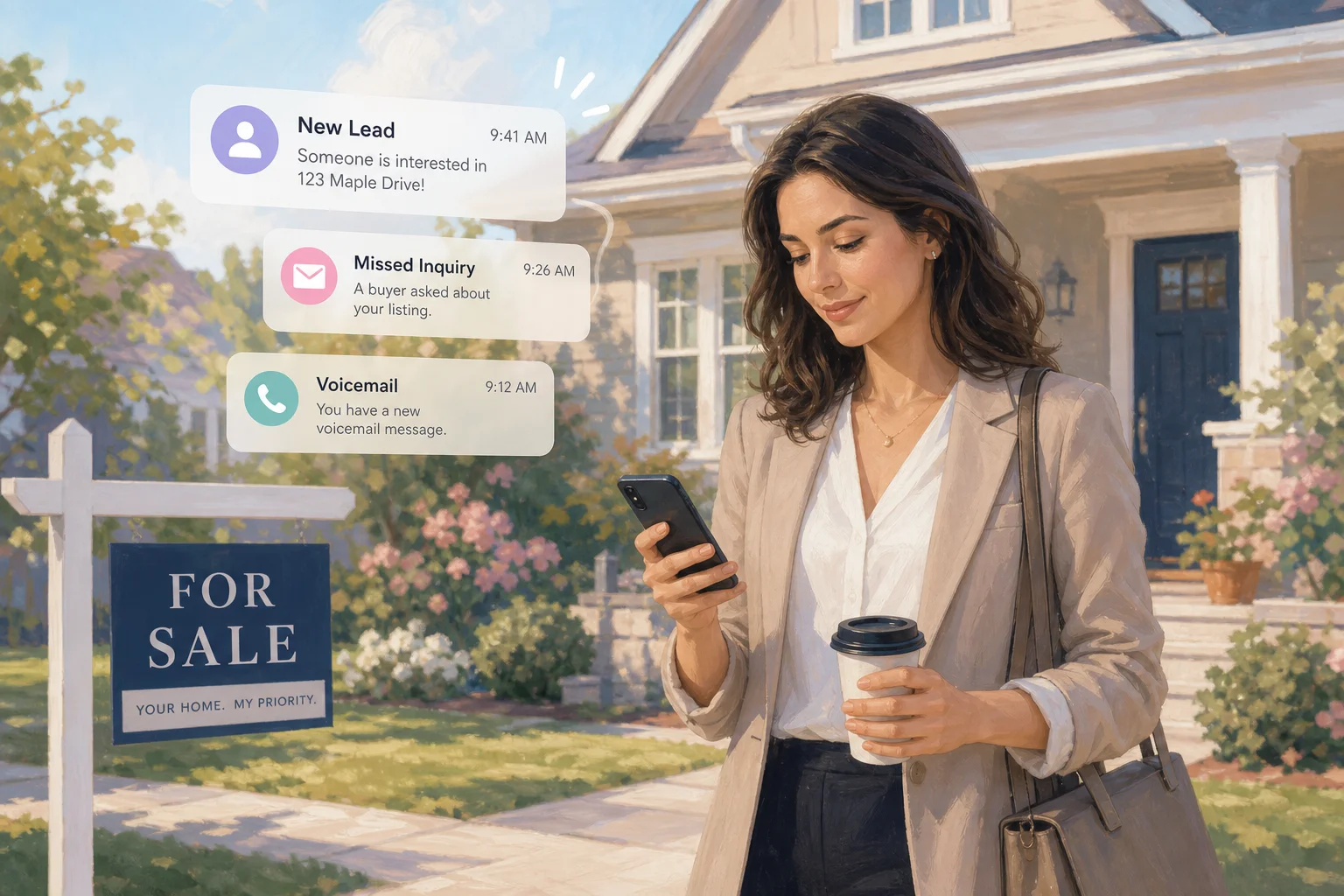

Table of Contents
- Introduction
- Why do real estate leads get missed when portal and ad volume spikes?
- What does missed real estate lead follow up cost brokerages?
- What is real estate lead follow up automation and how is it different from auto-replies?
- How does AI lead response for real estate qualify buyers before agents step in?
- What is the minimum CRM and automation stack for a 5-50 agent team?
- What can you fix in 30 days without buying another CRM seat?
- When should you book a roadmap call to rank real estate automations?
- Frequently Asked Questions (FAQs)
Introduction
You are not short on leads. Zillow pings your inbox. Meta lead ads fill a shared sheet. Google LSAs route to a landing page. Your website "schedule a showing" form emails the office manager. On paper, the top of the funnel looks healthy.
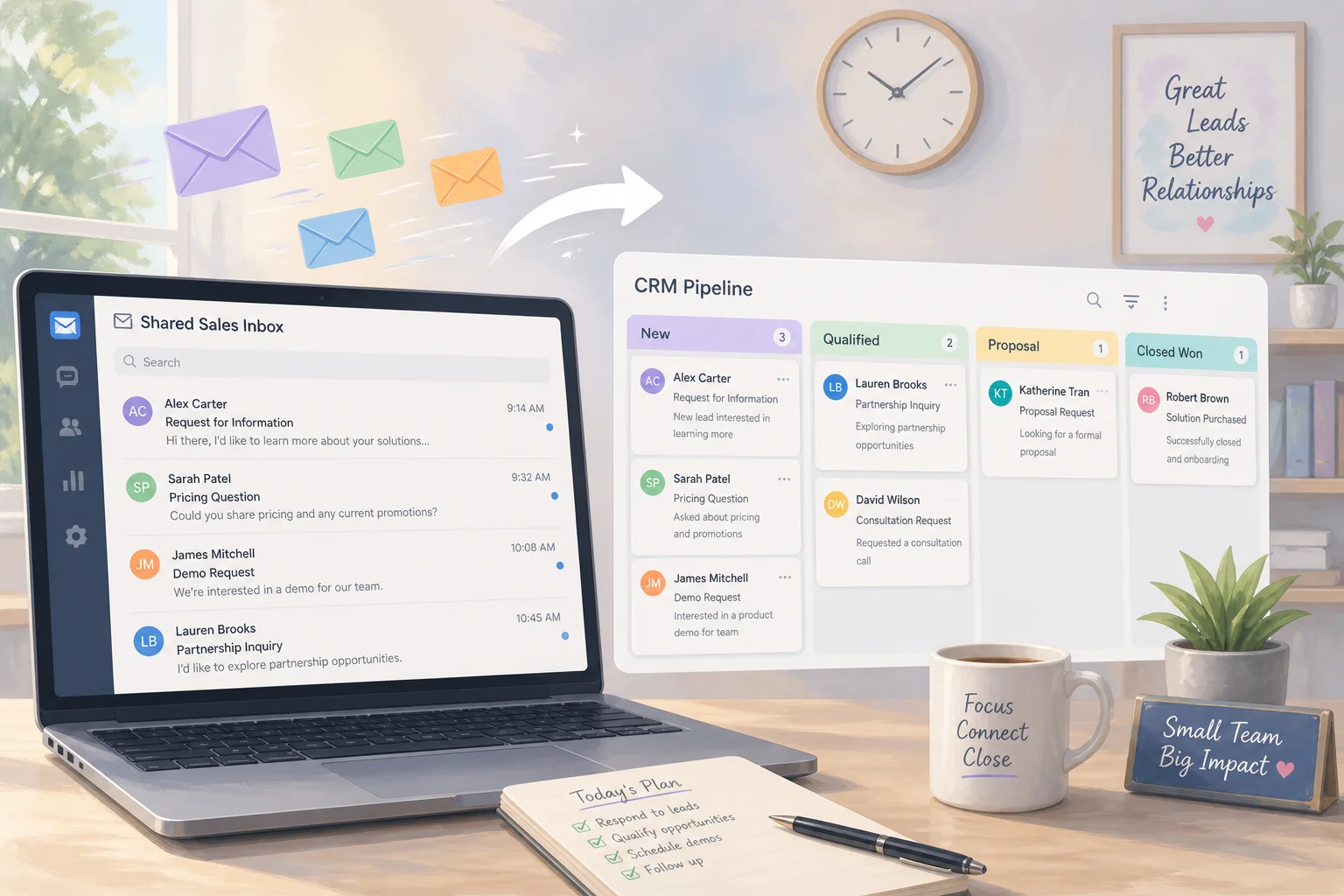
Then you look at appointments set and contracts signed. A painful share of those inquiries went cold, got called twice by different agents, or never left an email thread. That is not a targeting problem alone. It is a missed real estate leads problem: slow first touch, leads living outside your CRM, duplicate records, and agents who cannot reply while they are in someone else's kitchen.
This guide explains why real estate lead follow up automation and AI lead response for real estate fix the mechanics without hiring another round of ISAs or buying a fourth CRM seat you will not configure.
Why do real estate leads get missed when portal and ad volume spikes?
Missed real estate leads usually mean the inquiry never got a fast, logged, qualified first touch—not that the buyer was never interested. Most brokerages did not design their funnel; they accumulated portals, ad accounts, and CRM trials until capture, routing, and follow-up happened in six places, mostly by hand.
The failure modes repeat across 5-agent boutiques and 40-agent teams.
How does slow first response after hours cost deals?
Speed-to-lead drops sharply after the first few minutes. Industry data has said this for years: contact odds fall when you wait 30 minutes instead of five. Realtor.com-style best practice is a personal text within two minutes that names the listing and asks one easy question. Roof AI and similar playbooks call sub-60-second response non-negotiable for paid internet leads.
On a whiteboard that is fine. On a Tuesday at 7:30 p.m., half your agents are at showings, one is at inspection, two are offline. A Zillow tour request at 9:17 p.m. sits until morning. A lunch-hour Facebook lead gets a callback at 4:45 p.m., after they already booked another agent. After-hours volume is not edge case traffic for most teams—it is when buyers scroll listings from the couch.
Manual teams cannot hold a 60-second standard across every source. Real estate lead follow up automation fires the moment a portal webhook, form submit, or ad lead arrives: acknowledge, ask one question, route, log, enroll nurture—without someone at a keyboard.
Why do duplicate Zillow and Facebook leads overwhelm agents?
Serious buyers often hit you more than once: Zillow tour request, Realtor.com form, Meta lead ad, website contact. Without dedupe on phone and email, one person becomes three "new" leads, sometimes assigned to different agents.
You get triple-dial embarrassment, inflated lead counts that hide true cost per opportunity, and one record marked "bad" while another shows an active thread. ISAs burn hours on renters and looky-loos because nothing filtered intent before humans dialed. Routing by zip code only, ignoring price band or listing vs buyer intent, sends luxury buyers to part-time agents and outer-ring leads to agents who will not drive there.
Everyone looks busy. The wrong people work the wrong leads. That is how missed real estate leads turn into "our Zillow leads are garbage" when the real issue is process.
What does missed real estate lead follow up cost brokerages?
The direct cost is wasted media spend. Zillow Premier Agent, Realtor.com connections, Meta campaigns, and Google LSAs are not cheap. Letting 20-40% of volume go cold from slow response or messy routing is like paying for billboards nobody installs.
The hidden costs hurt more. Pull your last 20 "dead" leads and count touches—many teams find one or two attempts, not ten. Your "lead quality" problem is often abandonment. Without CRM-native logging you cannot separate unqualified buyers from mishandled ones from never-contacted ones. You cut good channels, buy cheaper junk leads, or add CRM seats instead of fixing pipes.
ISA and agent burnout follows. Hundreds of "new" leads in the CRM, most contacted late or twice, erodes trust. Manual follow-up ladders mean late nights and turnover. Growth stalls: more leads and more headcount without a backbone means each incremental dollar returns less. That pattern matches what I see on why leads go quiet after the form—real estate just adds portals and showings on top.
What is real estate lead follow up automation and how is it different from auto-replies?
Real estate lead follow up automation is a system where every source lands in one CRM, every new lead gets a fast first touch, qualification and routing run on rules, nurture fires on stage—not memory—and agents alert only when human judgment matters. It is not three drip emails and a prayer.
The lifecycle looks like capture, enrich, qualify, route, contact, nurture, convert, reactivate. Speed-to-lead automation is the archetype: on create, send SMS and email, route by territory or source, start a sequence, log the attempt—all inside a minute.
AI lead response for real estate adds a conversational layer: a model like Claude asks timeline, budget, pre-approval, and buyer vs seller in natural language; summarizes threads into CRM fields; and hands off when intent crosses your threshold. Goal is not replacing agents. It is protecting response time, filtering obvious non-fits, and giving agents context when they step in—same logic as after-hours leads sitting in CRM until Monday, tuned for property teams.
How does AI lead response for real estate qualify buyers before agents step in?
AI qualifies by running a short SMS or WhatsApp conversation that captures intent, timeline, and budget before a human dials. Static auto-replies confirm receipt; conversational AI keeps the thread alive and writes structured answers back to the CRM.
How should SMS and WhatsApp first touch work for Zillow and Meta leads?
A Zillow tour request at 8:43 p.m. should trigger within 30-60 seconds: create or merge the CRM contact with source and listing tags, dedupe on phone/email, then send a specific first message—not "thanks, we'll call you."
Hi {first_name}, this is {agent_team} at {brokerage}. I saw your request to tour {address}. Are you available tomorrow afternoon, or would another day work better?
The message is short, names the property, ends with a question, and includes opt-out language where required. When the lead replies, AI asks a bounded set: buyer, seller, or both; move timeline; price range; pre-approval status; home to sell first. Answers map to CRM fields. Hot criteria—e.g., under 90 days, pre-approved, wants tour this week—set stage to hot, notify the assigned agent with a summary, and stop the bot from over-talking.
Channel choice matters. Many portal leads are mobile-first; SMS reaches US buyers directly. WhatsApp dominates in parts of Canada, the UK, UAE, and India—match the channel your market actually uses, not the one your vendor demo prefers.
How do you route leads by geography and price band without ISA burnout?
Route on geography, price band, listing vs buyer intent, and SLA—not round-robin alone. Follow Up Boss, kvCORE, BoomTown, and CINC support rules-based assignment; n8n or Zapier fills gaps when a portal lacks native routing.
| Pattern | When it fits | Risk |
|---|---|---|
| Round-robin | Even load, similar agent skill | Wrong fit on luxury or geography |
| First-to-claim ("shark tank") | Speed-obsessed cultures | Starves slower agents |
| Pond + redistribution | Enforce response SLAs | Needs clear escalation rules |
| Price/geo rules | Mixed teams and territories | Misconfiguration sends bad matches |
When an agent misses your SLA—say 10 minutes in business hours—automation should reassign or alert ops, not let the lead rot. ISAs then work qualified queues, not every portal ping. AI handles first contact and filters; humans close.
What is the minimum CRM and automation stack for a 5-50 agent team?
You need one CRM as system of record, every paid lead source piped into it, universal speed-to-lead, and a 14-day nurture ladder before you add AI bells. Follow Up Boss, kvCORE, LionDesk, HubSpot, or similar works if integrations and texting are solid—the brand matters less than whether Zillow, Meta, and your site actually create CRM records.
Inventory every source: Zillow, Realtor.com, Meta lead ads, Google LSAs, website forms, chat, call tracking. For each, define capture method (native API, webhook, email parser), default tags, and routing profile. No lead should live only in Gmail.
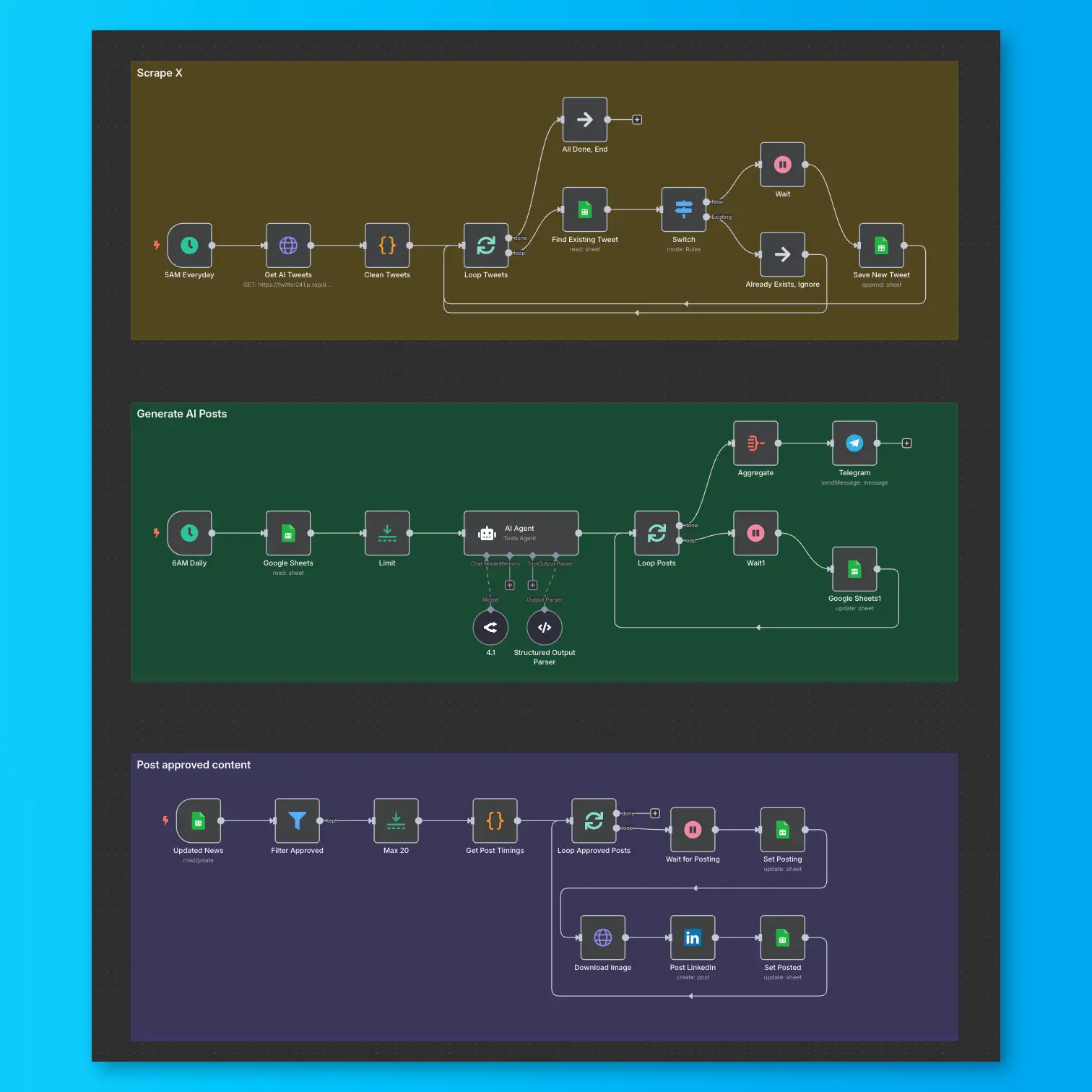
Orchestration layer (n8n, Make, or CRM-native automation) runs: on new contact, send SMS + email, apply routing, log attempt, enroll short nurture. Add 14-day new-lead sequence and a longer track for "6+ months out" buyers. Compliance: opt-in where required, clear STOP handling, call/text rules for your state or province.
AI sits on top once pipes are trustworthy—qualifying conversations, summarizing for agents, reactivation on cold lists—not as a substitute for CRM hygiene.
What can you fix in 30 days without buying another CRM seat?
Week one: map where each lead actually lands today—inbox, portal dashboard, sheet, or CRM. That alone surfaces leaks.
Week two: connect your top three sources to the CRM; turn on universal speed-to-lead SMS for all new records.
Week three: add dedupe rules, geography or price routing, and a 14-day follow-up ladder (Day 0, 1, 3, 7, 14 across text, call task, email).
Week four: pilot AI qualification on one channel—usually SMS on Zillow or Meta—human review on transcripts until tone and accuracy hold.
That sequence often beats swapping CRMs. If you are unsure what to do first across lead response, support, and reporting glue, use what to automate first as a scoring frame before you buy more seats.
When should you book a roadmap call to rank real estate automations?
Book a roadmap call when you have five or more lead sources and nobody can diagram capture-to-appointment flow, or when agents complain about duplicates and "bad leads" but you have no contact-attempt data. Another signal: you are about to hire more ISAs or add portal spend to fix what is actually a speed and routing problem.
A useful session audits stack and sources, aligns lifecycle stages with how your team really works, designs routing and SLAs for your territories and price bands, and decides where AI belongs (first touch, qualify, reactivate) vs where humans win (negotiation, listing presentation, contract). You leave with a ranked backlog—first, second, third—not a generic AI pitch. Implementation stays optional and quoted separately.
If portal leads keep dying after hours while your team carries integration work between CRM, spreadsheets, and Slack, book a 45-minute roadmap call. Bring your lead sources and CRM admin, not another vendor deck.
Frequently asked questions
Quick answers on the topics covered in this article.
They usually go cold because first response takes hours, not minutes, especially after showings and evenings. Buyers submit impulsively; if another agent texts back first, you drop off their short list even when your ad or Zillow spend did its job.
Aim for under two minutes on the first text, and treat sub-60 seconds as the target for paid internet leads. Automation is how small teams hit that standard when agents are in the field.
It is wiring every lead source into one CRM, sending instant SMS or email on create, routing by rules, logging every touch, and running nurture sequences by stage—not relying on agents to remember follow-ups manually.
Yes, if you keep questions short, name the listing they asked about, and hand off to a human when they show real intent. AI should ask timeline, budget, and pre-approval—not run a 20-question survey on the first message.
Follow Up Boss, kvCORE, BoomTown, CINC, LionDesk, and HubSpot all work when integrations and texting are configured. The CRM matters less than clean pipes from Zillow, Meta, and your website into one record per person.
Dedupe on normalized phone and email at CRM create, merge records automatically, and tag source on each touch so one buyer does not become three assignments.
Not at scale. Let automation and AI handle first touch and basic qualification; ISAs and agents should work queues where intent is already visible. Manual dial-every-lead models burn out staff and hide true conversion data.
Use the channel your market actually replies on. SMS is default in the US; WhatsApp is common in many international and diaspora markets. Match channel to buyer behavior, not vendor defaults.
Not always. Use native CRM automation for simple speed-to-lead. Add n8n or similar when you need custom portal webhooks, cross-system logic, retries, or reporting your CRM cannot do alone.
When you have many lead sources, no single funnel owner, rising ISA turnover, and plans to increase ad spend before fixing response time. A ranked roadmap beats buying another subscription nobody configures.
Share this article
Related workflows